Waste and packaging
Packaging
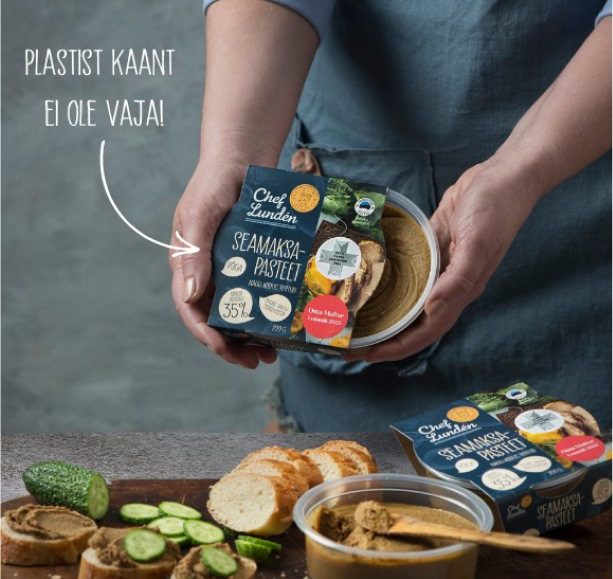
Food safety is extremely important for us. Thus the packaging of our products has been chosen accordingly. We avoid overpacking, if possible we choose mono-material packaging and reduce the use of plastic. One example of reducing plastic is Chef Lundén's pâtés, where the plastic lid is replaced by a cardboard envelope that can be put back on the product after opening. This solution has prevented approximately 4.2 tonnes of plastic from entering the market over five years.
Another example is Chef Lundén's bowl salad packaging, which we introduced in autumn of 2022. We changed the packaging from composite material to packaging from mono-material and did not add a lid to the product, instead of the lid there is a thin film. This change has helped us avoid approximately 16 tonnes of plastic entering the market over three years.
In 2024, we invested in a new packaging machine for triangle sandwiches. This packaging is based on the Easy Peel principle, where the cardboard and plastic film can be separated and sorted individually. Compared to the previously used packaging, this solution contains 80% less plastic.
A detailed single-use plastic reduction action plan can be found here.
Since 2024 we have switched to 100% FSC®* or PEFS** certified flow paper and cardboard for the packaging of finished products with our first major customer. By 2025 the goal is to switch to flow paper and cardboard with the same labels for the entire Chef Lundén product range. If possible, we also involve other customers.
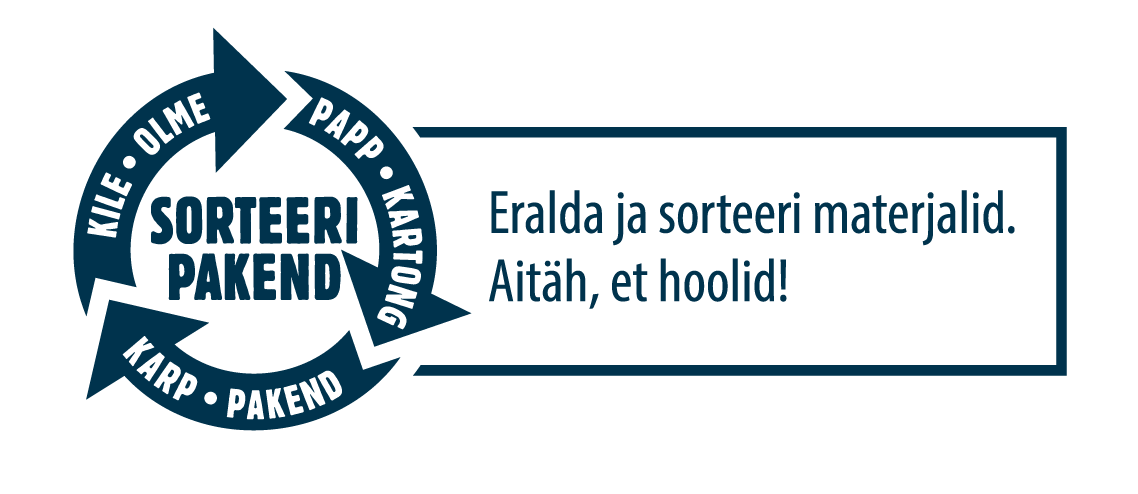
The packaging of Chef Lundén branded products includes a helpful guide that assists the consumer in placing the package into the correct container according to sorting instructions.
*FSC® - Forest Stewardship Council®
**PEFC - The Programme for the Endorsement of Forest Certification
Waste
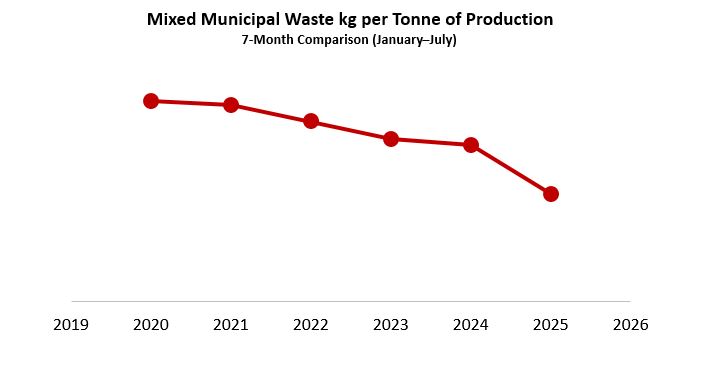
At the end of 2024, we began extensive separate collection of packaging waste, a large portion of which consists of raw material packaging. By the summer of 2025, this has reduced the amount of mixed municipal waste by an average of 20%. A significant part of this reduction, about 17%, comes from plastic packaging that we have been able to collect separately from mixed waste and direct into recycling. The separately collected plastic is sent back into circulation through our cooperation partner: the material is cleaned and processed, giving it a new life as new packaging or products.